Beef Drunken Noodles for a Bold and Savory Dinner
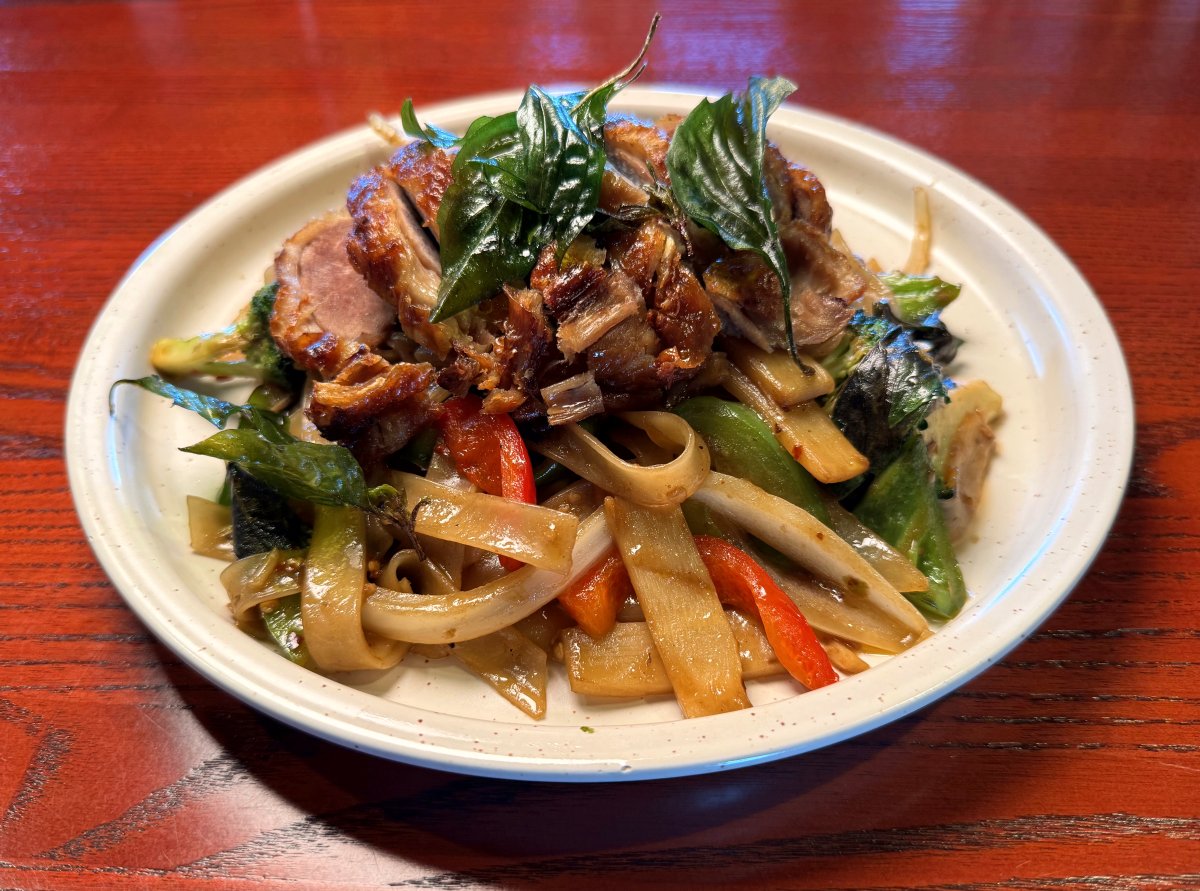
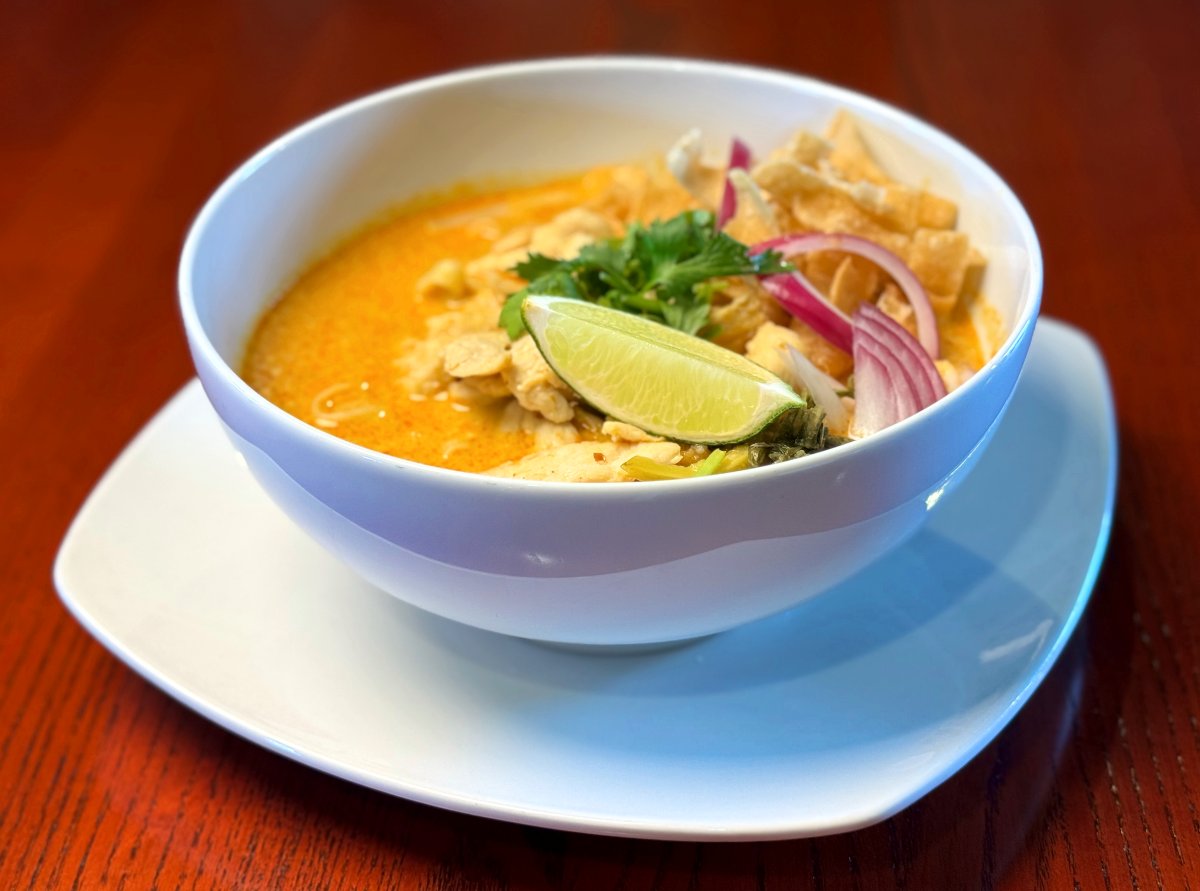
There are weeknight dinners that simply get the job done, and then there are the ones that pull everyone into the kitchen before the plates even hit the table. Beef Drunken Noodles belong firmly in the second category. The aroma alone, that mix of garlic, seared beef, soy, chilies, and sweet basil, has a way of making a house feel hungrier than it did ten minutes earlier. It is a loud, unapologetic dish, and that is exactly why people love it.
What makes this version especially satisfying is the beef. Chicken is common, shrimp works beautifully, and tofu can absolutely carry the dish, but beef adds a richer, darker note that stands up to the assertive sauce. When the meat is browned properly and the noodles pick up a little char from the pan, the final bowl has real depth. It tastes like something you ordered because you wanted a treat, not because you needed dinner in a hurry, even though it can come together quickly once the ingredients are prepped.
Drunken Noodles, often associated with the Thai dish pad kee mao, thrive on contrast. The noodles should be slippery but not soggy. The sauce should be savory first, with sweetness and heat supporting it rather than crowding it. The vegetables need enough time in the pan to soften slightly, but not so much that they lose their bite. The basil should hit the heat at the last moment, just enough to perfume the entire skillet. When all of that is handled well, the dish tastes bold and fresh rather than heavy.
What makes Beef Drunken Noodles so appealing
Some noodle dishes lean delicate. This one does not. Drunken Noodles are broad, saucy, and intense in the best way. The flavor profile moves quickly across the palate: salty soy, a touch of sugar, fish sauce if you use it, a punch of chile, and that unmistakable anise-like lift from basil. Beef brings one more layer, the caramelized savoriness that only comes from proper browning.
That balance matters. If the sauce skews too sweet, the dish starts to taste flat. If it is all salt and heat, you lose the complexity that makes restaurant versions so compelling. The best plates have enough sweetness to round the edges, enough chile to wake everything up, and enough umami to make you want another bite before you have swallowed the first one.
Texture is just as important. Rice noodles can go from pleasantly chewy to limp in a remarkably short window. In a busy home kitchen, that is often where things fall apart. People over-soak the noodles, then toss them into an overcrowded pan, and by the time the sauce goes in, they have lost all structure. The fix is simple but important: prep everything before the burner goes on, use high heat, and cook in a wide pan so moisture can evaporate quickly.
Choosing the right cut of beef
This is not the place for a large braise or a thick steak cooked whole. You want a cut that cooks fast and stays tender when sliced thinly. Flank steak is excellent, skirt steak works well, and sirloin is often the most practical choice for home cooks because it is easier to find and usually less expensive than premium cuts. Even ribeye can work if you happen to have it, though it is richer than necessary and better reserved for a dish where its marbling can stand on its own.
The key is slicing. Cut the beef thinly across the grain, ideally when it is still slightly firm from a short rest in the freezer. Ten to fifteen minutes of chilling makes a noticeable difference. Thin slices cook in moments and absorb sauce without turning chewy. Thick pieces, by contrast, demand more time in the pan and can release water before they brown, which steals flavor from the entire dish.
A light marinade helps, but it should be restrained. A splash of soy sauce, a touch of oyster sauce, and perhaps a bit of cornstarch are enough. Too much liquid on the beef creates steam, and steam is the enemy of a good sear. You want the meat to hit the hot surface and darken quickly at the edges.
The noodle question, and why fresh matters if you can get it
Wide rice noodles are traditional for Drunken Noodles, and they really do change the character of the dish. Their broad surface catches sauce beautifully, and their soft chew gives the whole bowl its signature feel. Fresh wide rice noodles are ideal because they separate easily and fry without much fuss, though they can stick together in the package and need a gentle hand.
Dried wide rice noodles are a perfectly good option for most kitchens. The trick is not to fully cook them before stir-frying. Soak or boil them just until flexible, then drain them before they reach full tenderness. They will finish in the pan. This one small adjustment is the difference between noodles with life and noodles that slump.
If you cannot find wide rice noodles, you can improvise, though each substitute changes the dish a bit. Fresh lo mein noodles produce a different texture and are less traditional, but they are serviceable. Fettuccine is the emergency pantry substitute people often mention, and yes, it can carry sauce and satisfy a craving, though the flavor and bite are distinctly different. If you take that route, lower your expectations for authenticity and focus on making the sauce and beef excellent.
Sauce first, always
This is one of those stir-fries that exposes poor sequencing. If you stop in the middle of cooking to measure soy sauce or search for a jar of chili paste, the pan will outrun you. The beef will overcook, the garlic will darken too far, and the noodles will sit too long. The sauce needs to be mixed before heat enters the equation.
A reliable balance for Beef Drunken Noodles usually includes soy sauce for salt, oyster sauce for body and sweetness, a little fish sauce for funk and depth, sugar to round everything out, and some source of heat. That heat might come from sliced fresh chilies, chili garlic sauce, crushed dried chilies, or Thai chili paste, depending on your pantry and your preference. There is flexibility here, but not infinite flexibility. Hoisin, for example, can make the sauce too sweet and thick if used heavily. Teriyaki sends the dish in an entirely different direction.
If you have never made Drunken Noodles at home, taste the sauce before it hits the pan. It should be stronger than you think it needs to be. Noodles dilute flavor, especially rice noodles. A sauce that tastes perfectly seasoned in the bowl can turn timid once spread across the full skillet.
Vegetables that belong in the pan
This dish does not need a long list of vegetables to feel complete. In fact, too many can water down the pan and muddle the flavor. Onion is classic and useful because it softens into the sauce while retaining a bit of sweetness. Bell pepper adds color and crunch. Chinese broccoli is traditional in many versions, but standard broccoli can be awkward here because it takes longer to cook than the rest of the dish. Snap peas, green beans, or even zucchini can work, though each shifts the texture.
The most important aromatic is basil. Thai basil is best if you can get it. It has that peppery, slightly licorice note that gives Drunken Noodles their lift. Sweet Italian basil is not the same, but it is still better than leaving basil out entirely. Add it right at the end and be generous. A few leaves scattered over the top do not do enough. This is a stir-fry where basil should register clearly in every bite.
Garlic also deserves more respect here than it sometimes gets. This is not a one-clove dish. If you want that restaurant-level aroma, use several cloves, sliced or minced finely, and cook them just long enough to bloom in the oil without tipping into bitterness.
A practical ingredient lineup
Use this as a working guide rather than a strict formula. Home stoves, pans, and brands of sauce vary, and a dish like this benefits from tasting and adjusting.
- 12 to 14 ounces wide rice noodles, fresh or dried
- 1 pound flank steak, sirloin, or skirt steak, sliced thinly across the grain
- 4 to 5 cloves garlic, minced
- 1 small onion and 1 bell pepper, sliced
- soy sauce, oyster sauce, fish sauce, sugar, chilies, and a large handful of basil
That short list is enough to build a deeply satisfying dinner. If you want more vegetable presence, add a handful of snap peas or a few stems of Chinese broccoli, but resist the urge to clean out the entire crisper drawer. Restraint helps the noodles and beef stay at the center.
The cooking method that keeps everything glossy instead of soggy
The best Drunken Noodles are cooked fast, in stages, with confidence. Start by heating the pan until it is truly hot. Not warm, not politely preheated, but hot enough that a drop of water would skitter across the surface. Add a neutral oil with a reasonably high smoke point. Then lay in the beef in a single layer if possible. If your pan is not wide enough, cook the beef in batches. This is not fussy restaurant dogma, it is practical necessity. Crowding cools the pan and makes the meat steam.
Once the beef browns at the edges, remove it. Then cook the onion and pepper briefly so they pick up some color while staying crisp-tender. Add the garlic only after the vegetables have started to soften. Garlic burns faster than people expect, especially in a hot wok or skillet with residual browned bits from the beef.
The noodles go in next, followed quickly by the sauce. Toss rather than stir if you can. You want the noodles coated and heated through, not mashed. Return the beef to the pan once the sauce starts to cling. Then fold in the basil just before the heat goes off. It should wilt, not stew.
This entire process usually takes less than ten minutes once the cooking starts. That speed is why mise en place matters so much. A dish like this rewards preparation and punishes hesitation.
Common mistakes that flatten the flavor
A surprising number of disappointing noodle dishes come down to moisture. Wet noodles, wet beef, too many vegetables, or a pan that is not hot enough, all roads lead to the same problem. Instead of glossy sauce clinging to noodles, you get a puddle in the bottom of the skillet. Once that happens, the beef loses its sear, the vegetables soften too far, and the noodles absorb liquid unevenly.
Another common problem is underseasoning. People are often cautious with fish sauce or chilies, especially on a first attempt, and that is understandable. But Drunken Noodles should not taste timid. Start moderately if you must, then adjust at the end with an extra splash of soy sauce, fish sauce, or chili. The dish should have presence.
Basil is another place where home versions often fall short. A stingy handful disappears into a full pan. If basil is expensive or hard to find, use what you have, but know that this is one of the defining flavors. Without enough of it, the dish loses part of its identity.
Finally, there is the temptation to keep stirring long after the noodles are done. Rice noodles continue to soften from residual heat. Once the sauce is absorbed and the basil has wilted, stop. Get the noodles onto plates. Lingering in the pan works against you.
Heat levels and how to handle them intelligently
Spice in Drunken Noodles should be noticeable, but there is no badge of honor in making dinner unpleasantly hot. The smartest approach is to build moderate heat into the pan, then offer more at the table. Fresh Thai chilies deliver sharp, bright heat. Chili garlic sauce gives a rounder profile and a little body. Crushed red pepper flakes are less traditional but useful in a pinch.
If you are cooking for mixed preferences, keep the baseline warm rather than fiery. Let the savory sauce and basil do their work, and set out sliced chilies or chili crisp https://tysonddzd689.urbanvellum.com/posts/drunken-noodles-for-beginners-step-by-step-cooking-tips for anyone who wants extra punch. That way you preserve the structure of the dish without forcing every plate into the same heat level.
There is also a practical point here that many recipes skip. Heat intensifies as leftovers sit. Chilies continue to permeate the sauce, so a noodle dish that tasted moderately spicy on day one can become assertive by day two.
How to make it feel restaurant-worthy at home
A lot of people assume the gap between restaurant stir-fries and home stir-fries comes down to a commercial burner. High-output heat certainly helps, but technique closes much of that gap. Use the widest, heaviest pan you have. Preheat longer than feels necessary. Cook in batches if needed. Keep the ingredients moving once the sauce goes in, but do not fidget too early.
There is also value in letting a few edges char. Not burn, but char. Those darker bits on the noodles and peppers contribute the smoky note many people associate with takeout or restaurant wok cooking. If every component stays pale and uniformly soft, the final dish will taste flatter no matter how carefully you mixed the sauce.
One habit I have picked up over years of making fast noodle dishes is to keep a small bowl of water nearby, not for the pan, but for the noodles. If they tighten up while waiting, a tablespoon or two of water tossed in with the sauce can loosen them just enough to separate without tearing. It is a tiny adjustment, but it can rescue a batch that might otherwise clump.
Useful adjustments when your pantry is not perfect
No home cook has every ingredient every time, and Drunken Noodles are forgiving within reason. These substitutions work without derailing the dish.
- Use regular basil if Thai basil is unavailable, but add a little extra black pepper or fresh chile to sharpen the profile
- Replace part of the fish sauce with soy sauce if needed, though the flavor will be less deep
- Choose sirloin when flank steak is too expensive or hard to find
- Swap in dried wide rice noodles if fresh are unavailable, but undercook them slightly before stir-frying
- Add a small squeeze of lime at the table if the dish tastes heavy, even though lime is not the main flavor here
The point is not to mimic a restaurant ingredient for ingredient. The point is to preserve the dish’s character: savory, spicy, aromatic, and full of contrast.
Serving it while it still has life
Beef Drunken Noodles are best served immediately. This is not one of those noodle dishes that improves as it sits. The noodles continue to absorb sauce, the basil fades, and the vegetables lose some of their snap. If you are cooking for company, have the table ready before you start the pan.
That said, leftovers can still be good if you reheat them with care. A hot skillet works better than a microwave because it revives a little texture. Add a splash of water to loosen the noodles and toss just until heated through. Avoid prolonged reheating or the beef will toughen. If the basil flavor has dulled, a few fresh leaves stirred in at the end help wake the dish back up.
You do not need much on the side. A cold cucumber salad is nice if you want contrast, and a simple green vegetable can round out the meal, but Drunken Noodles are built to be the main event. They are hearty enough to stand alone.
Why this dish earns a regular place in the dinner rotation
There is a reason cooks come back to Drunken Noodles after trying them once or twice. They deliver a lot of reward for a manageable amount of effort. The ingredient list is accessible. The technique gets easier quickly. Most importantly, the result feels generous. It is the kind of dinner that satisfies a craving for takeout while still giving you control over the beef, the vegetables, the spice level, and the quality of the noodles.
Beef, in particular, gives the dish a certain gravity. It turns a fast noodle stir-fry into something that feels substantial enough for a Friday night dinner and practical enough for a Wednesday. If you learn how to sear the meat properly, keep the noodles from overcooking, and balance the sauce to your taste, you will not need a recipe for long. You will simply know when it smells right, when the noodles have absorbed enough sauce, and when the basil has hit the pan at exactly the right moment.
That is when Beef Drunken Noodles stop being just another recipe and become one of those dishes you can make with real confidence. And confidence, more than any secret ingredient, is what gives a bold and savory dinner its edge.
Nakhon Luang Thai Kitchen
Address: 805 Village Center Dr, Colorado Springs, CO 80919
Phone number: +17195315175
FAQ About Drunken Noodles
What makes it drunken noodles?
Drunken noodles, or Pad Kee Mao, get their name from the Thai word khi mao (meaning "drunkard"). They contain no alcohol. The name comes from the idea that the dish is a popular late-night meal to cure a hangover or a great food to eat with a cold beer.
What is the difference between pad see ew and drunken noodles?
While both Pad See Ew and Drunken Noodles use the same wide rice noodles, Pad See Ew is a mild, sweet-savory dish made with dark soy sauce and Chinese broccoli, whereas Drunken Noodles (Pad Kee Mao) are fiery, garlicky, and herbaceous with fresh chilies and Thai basil.
What are traditional drunken noodles?
Traditional drunken noodles, known as Pad Kee Mao in Thai, are a fiery, savory street food stir-fry made with wide flat rice noodles, fresh garlic, lots of hot chilies, meat or tofu, and fragrant holy basil. Despite the name, they contain no alcohol; the dish is traditionally eaten late at night or as a hangover cure because the intense spice helps clear the head.