Best Drunken Noodle Near Me for Fresh, Fiery, and Flavorful Bites
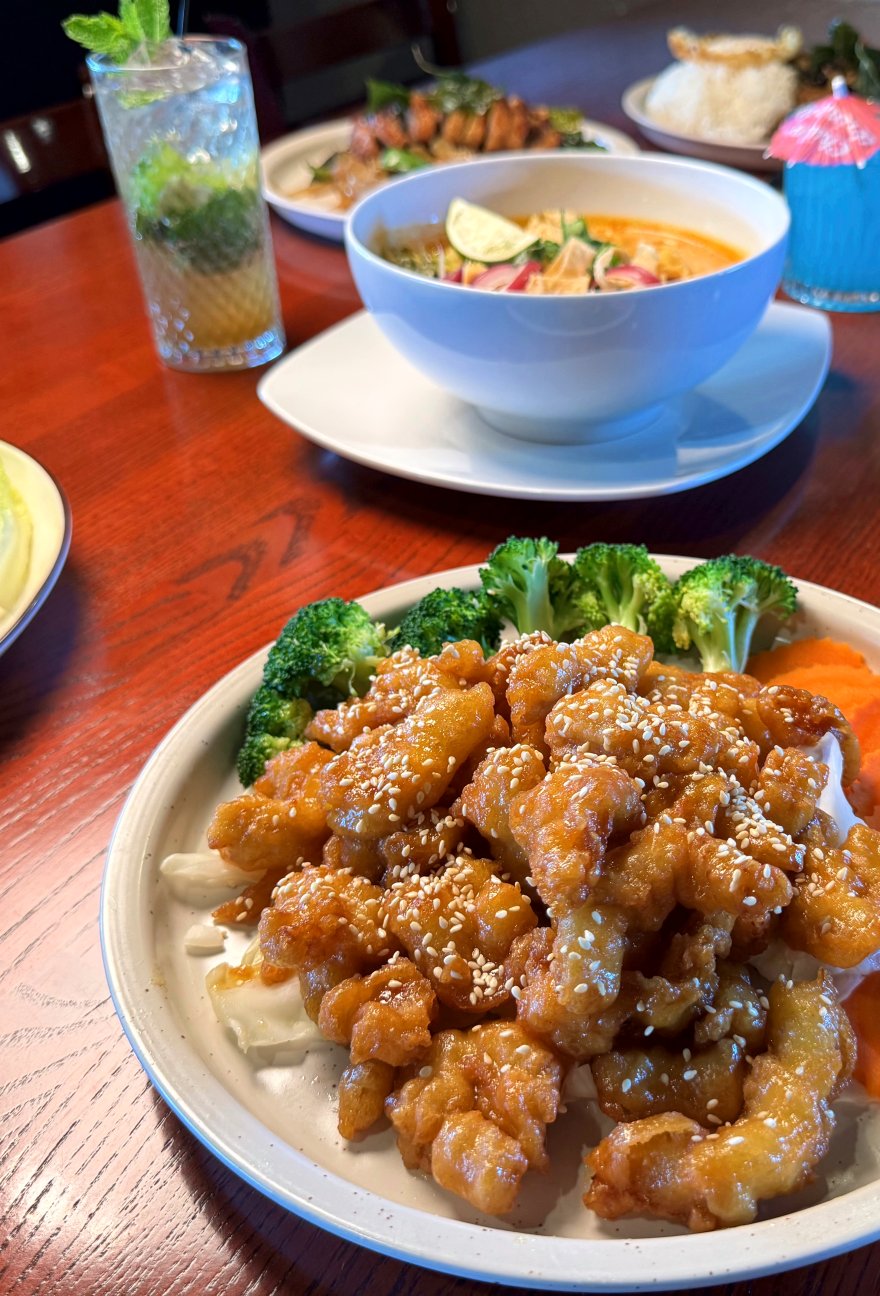
There are Thai dishes people order out of habit, and then there is drunken noodle, the one that makes you pause after the first bite because the balance has to be exactly right. Too sweet, and it turns flabby. Too little heat, and it loses its swagger. Too much sauce, and the noodles slump into a salty tangle. But when a kitchen gets it right, drunken noodle delivers the kind of meal people crave on a weeknight, after a late shift, or whenever they want something hot, aromatic, and deeply satisfying.
If you have ever typed Drunken Noodles Near Me into a search bar and wound up staring at a dozen Thai spots with nearly identical menus, you already know the problem is not finding the dish. The problem is finding a version worth your appetite. Menu photos rarely tell the full story. Neither do five-star reviews from diners who ordered mild spice and extra broccoli. Drunken noodle is one of those dishes that exposes a kitchen fast. It asks for heat control, wok skill, timing, restraint, and confidence.
What follows is a practical guide to recognizing an excellent Drunken Noodle, understanding what separates a memorable plate from an average one, and ordering with enough judgment to actually get the version you want.
What drunken noodle should taste like
Drunken noodle, often associated with pad kee mao, is built on contrast. Broad rice noodles carry sauce differently than thin noodles do. They should come off the wok glossy and pliant, not waterlogged or gummy. The aromatics matter as much as the sauce. Thai basil is not optional in spirit, even if some kitchens use it too sparingly. Garlic should be present, but not harsh. Chili should cut through the richness rather than sit on top of it like punishment.
A strong plate lands in layers. First comes savory depth from soy-based seasoning and the high heat of the wok. Then sweetness, usually modest, rounds the corners. Basil lifts the whole dish at the end with its peppery, almost licorice-like note. Vegetables, often bell peppers, onions, baby corn, tomatoes, or green beans, should still have some snap. Protein should taste seared, https://maps.app.goo.gl/wEbpDYfz5VjY5inF9 not steamed in sauce.
That last point matters more than people think. Chicken breast in a mediocre version can turn fibrous and dry. Beef can be sliced too thick and feel chewy. Shrimp can overcook in under a minute if the cook loses focus. Tofu can become a sponge for salt without contributing much else. A kitchen that handles protein well usually handles the noodles well too.
The signs of a restaurant that takes the dish seriously
You can often tell before the first bite whether a restaurant treats drunken noodle as a flagship order or as filler for takeout volume. Start with the aroma. Good drunken noodle smells smoky, herbal, and spicy. If the dominant note is sugar or generic soy sauce, expectations should lower immediately.
Texture is the next giveaway. Freshly cooked wide rice noodles should separate cleanly when lifted. They can cling to each other a bit, that is normal, but they should not form one heavy slab. The sauce should coat, not pool. If you open a takeout container and liquid gathers at the bottom, that usually means the wok never got hot enough, or the noodles sat too long before serving.
The best restaurants also understand proportion. One common mistake is overloading the dish with vegetables because produce is cheaper than protein and noodles. That turns a bold noodle plate into a stir-fried salad with starch. Another mistake is going too heavy on sauce for delivery, in hopes the flavor survives the ride home. It often backfires. The noodles continue absorbing liquid, and by the time you eat, everything tastes dark and dense.
A well-run Thai kitchen can adapt for dine-in and takeout. Dine-in drunken noodle should be a little drier, hotter, and more aromatic. Takeout should hold structure for fifteen to twenty minutes without becoming mush. That kind of adjustment does not happen by accident.
Why wok skill matters more than almost anything else
This dish lives or dies in the pan. A hot wok creates charred edges, quick reduction, and that faint smoky note diners often call “restaurant flavor” when they cannot quite name it. In practice, it is the result of high heat, quick movement, and ingredients that are not releasing excess water.
Home cooks struggle with drunken noodle for exactly this reason. A skillet on a household stove can make a pleasant noodle dish, but it rarely replicates the speed and sear of a commercial burner. In a restaurant, the cook has seconds to move from aromatics to protein to vegetables to noodles to sauce before the whole thing tips from lively to limp.
That is one reason drunken noodle is such a revealing order. Pad Thai can be covered by peanuts, lime, and sweetness if it misses the mark. Fried rice can hide behind texture and familiar flavor. Drunken noodle gives the kitchen fewer places to hide. The basil has to stay fresh. The noodles have to keep their body. The char has to be there, at least in traces.
How to read the menu like someone who has done this before
Menus give clues, even when they are brief. A restaurant that offers multiple protein options, customizable spice levels, and a note about basil or fresh chili often pays attention to the dish. A menu that reduces it to “spicy noodles with vegetables” may still deliver, but it tells you less.
Look closely at photos, but interpret them carefully. A vivid red-brown color can suggest chili oil and dark soy working together. It can also suggest a sauce-heavy plate designed to photograph well. If the noodles look shiny but distinct, that is promising. If they look lacquered into a dense block, less so.
Descriptions matter too. If the menu mentions broad rice noodles, Thai basil, chili, garlic, or wok-fried vegetables, the restaurant likely understands the identity of the dish. If it simply uses “flat noodles” and leaves out the herbal element, the result may lean generic. Not always, but often enough to note.
When searching Drunken Noodles Near Me, the best clues usually come from specific review language rather than star averages. I pay attention when diners mention balanced heat, smoky flavor, basil aroma, and springy noodles. I ignore reviews that only praise “huge portions” or “super spicy,” because quantity and pain tolerance are not quality markers.
Spice level is not a game, it is a calibration
A lot of diners order based on ego and end up with a plate they cannot taste properly. Drunken noodle should be hot enough to feel alive, not so aggressive that every other flavor disappears. Restaurants vary wildly in how they label heat. One restaurant’s medium is another’s very hot. A family-run spot cooking for regulars may interpret “Thai spicy” as a direct challenge. A broader, delivery-heavy restaurant may keep even its hottest level fairly tame.
For first-time orders, medium-hot is often the smart move, especially if you do not know the kitchen. If the food arrives too mild, that is disappointing but manageable. If it arrives punishingly hot, the basil, vegetables, and noodle texture become secondary to survival.
There is also a practical difference between fresh chili heat and bottled chili sauce heat. Fresh chili gives a sharper, brighter burn. Chili paste or oil can taste deeper, smokier, and more lingering. Neither is inherently better, but the freshest, most layered drunken noodle usually gets heat from more than one source.
Protein choices and how they change the plate
The same restaurant can produce very different versions of drunken noodle depending on what protein you choose. Chicken is the baseline for many diners because it is familiar and usually the safest value. When cooked properly, it carries sauce well and lets the basil stand out. When overcooked, it turns the dish dull fast.
Beef brings richness and a stronger savory profile. It works best when sliced thin and cooked quickly, especially in a hotter, smokier preparation. If a kitchen tends to overcrowd the wok, beef can steam and toughen before the noodles are even added.
Shrimp is excellent when the restaurant has good turnover and the cook knows timing. It adds sweetness and a cleaner finish. It also exposes mistakes quickly, because overcooked shrimp becomes rubbery with no redemption.
Tofu can be terrific in a kitchen that crisps it first and seasons with care. In weaker versions, it dilutes the dish and absorbs too much salt. Seafood combinations, duck, or crispy pork belly can be outstanding if offered, but they often come at a premium and deserve a little menu scrutiny before ordering.
If I am trying a new place, chicken or beef tells me the most about the kitchen. If I already trust the restaurant, shrimp or crispy pork becomes more interesting.
Freshness shows up in small details
When people talk about a “fresh” noodle dish, they usually mean more than raw ingredients. They mean the entire plate tastes awake. The basil should still smell green and vivid. Onions should not be translucent mush. Bell peppers should retain sweetness and bite. Tomatoes, where used, should soften without dissolving into the sauce.
Noodle freshness matters too. Fresh wide rice noodles have a supple, almost elastic quality that dried substitutes cannot fully mimic. Not every restaurant has equal access to them, depending on location and supply. Still, experienced kitchens know how to handle whichever noodles they use. The problem is not always the ingredient, it is often the treatment. Noodles refrigerated too long, reheated clumsily, or left to sit before the wok will fracture or clump.
A strong takeout order also depends on packaging. Venting, container shape, and fill level all affect whether the dish arrives steamy or soggy. It sounds minor until you have compared two otherwise good restaurants side by side. One sends a balanced, fragrant plate that survives the car ride. The other sends a box of over-soft noodles sweating in trapped condensation.
What to look for when reviews are all over the place
Thai restaurants often produce polarized reviews because diners bring very different expectations. One person wants authentic heat. Another wants a sweet, mild comfort plate. One judges texture in the first five minutes. Another eats after a thirty-minute delivery delay and blames the kitchen for what the drive did to the noodles.
When reviews conflict, I look for patterns rather than opinions. If multiple people mention inconsistent spice levels, the kitchen may struggle with Drunken Noodles Near Me standardization. If many reviews praise lunch specials but complain about dinner speed, timing may be the issue. If regulars keep returning for drunken noodle specifically, that means something. Most people do not repeat-order a stir-fried noodle dish unless it scratches a very particular itch.
These are the review clues worth taking seriously:
- Repeated praise for wok-char, basil aroma, and balanced heat
- Comments that the noodles stay separate rather than clumped
- Evidence that the restaurant handles both dine-in and takeout well
- Specific mention of fresh vegetables and well-cooked protein
- Notes about consistency across multiple visits
Anything vague, like “good food” or “nice staff,” may be true and still tell you nothing about the actual dish.
The difference between a satisfying plate and a memorable one
A satisfying plate of drunken noodle fills you up. A memorable one changes your standards. The difference usually comes down to restraint. Good cooks know when to stop adding sauce. They know basil should perfume the plate, not vanish into it. They understand that heat should sharpen the appetite, not bury every other note.
Memorable versions also have tension in the best sense. Sweetness never quite settles the dish down. Salty edges flirt with excess but stay controlled. Chili keeps building rather than peaking all at once. The noodles pick up little charred spots that taste almost roasted. You finish the plate feeling full, but not flattened.
That experience is hard to fake, and impossible to mass-produce carelessly. It is why one neighborhood Thai spot becomes someone’s default order for years, while another remains a once-and-done convenience.
Ordering for dine-in versus delivery
If you are eating in the restaurant, order drunken noodle early in the meal and eat it as soon as it lands. This is not a dish that improves while sitting under conversation. The texture changes minute by minute. A proper plate comes off the wok ready for immediate attention.
Delivery requires different judgment. Ask for medium sauce if the restaurant allows notes. Consider one level less heat than you would order in person, since steam trapped in the container can intensify the sensation and blur the flavors. If the place tends to overpack portions, moving the noodles to a wider plate at home helps preserve texture.
Some restaurants are simply better dine-in than delivered. Others are built around takeout efficiency and have tuned their recipes accordingly. If a local spot gets rave reviews from nearby office workers and late-night pickup customers, that is usually a strong sign the kitchen understands how the dish travels.
Side dishes and drinks that actually work with it
Drunken noodle is rich enough to stand alone, but the right companion can sharpen the experience. A crisp cucumber salad cools the heat without muting flavor. Fresh spring rolls add contrast if they stay light and herb-forward. Fried appetizers can be enjoyable, though pairing too much fried food with a noodle dish often makes the meal feel heavier than intended.
Beverages matter more than people admit. Iced tea, sparkling water, or a light lager can all work. Sweet drinks can soften the heat, but they can also flatten the dish if the sauce already leans sweet. The best pairing usually refreshes the palate rather than competing with basil and chili.
When the best option is not the highest-rated one
Some of the best drunken noodle I have eaten came from restaurants whose websites looked dated and whose online photos did them no favors. They had small dining rooms, fast-moving lunch crowds, and cooks who knew exactly how hot the wok needed to be. Meanwhile, some polished, highly rated places served handsome plates that tasted cautious and over-designed.
Ratings can reflect parking, decor, wait times, or general popularity. Drunken noodle quality reflects technique. If a humble spot has a devoted local following and repeated mentions of spicy flat noodles, that is often more valuable than a sleek brand with broad appeal and vague praise.
This is especially true in neighborhoods with several Thai restaurants within a short drive. The best one may not rank first overall. It may simply be the one whose kitchen handles noodles with more confidence.
A quick way to judge your first order
If you want a simple framework for deciding whether to return, pay attention to the first three minutes of eating. Ask yourself a few plain questions.
| What you notice | What it usually means | |---|---| | Basil aroma hits first | Fresh finishing, better balance | | Noodles stay separate | Good heat control, less over-saucing | | Chili builds gradually | Better seasoning, more layered flavor | | Vegetables still have bite | Proper timing in the wok | | Sauce tastes deep, not just salty | Stronger recipe and execution |
A restaurant does not need perfection on every point to be worth revisiting. But if it misses most of them, the dish is probably more convenient than special.
Why this dish keeps earning repeat cravings
There is something unusually compelling about drunken noodle when it is made well. It satisfies the desire for comfort food, but it never feels sleepy. It has heat, smoke, chew, and brightness in the same bowl. It can be meaty or vegetarian, restrained or assertive, lunch-worthy or late-night appropriate. Few dishes cover that much territory without becoming generic.
That versatility explains why so many people keep searching for Drunken Noodles Near Me and hoping for a standout option instead of settling for the nearest one. The dish rewards care. It rewards curiosity. It rewards the diner who notices details and the cook who refuses shortcuts.
Find a restaurant that treats Drunken Noodle like more than a checkbox on the menu, and it becomes an easy favorite. You stop ordering it just because you want noodles. You order it because you want that exact collision of basil, chili, char, and silky rice noodles that only a sharp Thai kitchen can deliver. When you find that place, the search usually ends the same way, with an empty container, a little heat still lingering, and a mental note to order the same thing again next week.
Nakhon Luang Thai Kitchen
Address: 805 Village Center Dr, Colorado Springs, CO 80919
Phone number: +17195315175
FAQ About Drunken Noodles Near Me
What makes it drunken noodles?
Drunken noodles, or Pad Kee Mao, get their name from the Thai word khi mao (meaning "drunkard"). They contain no alcohol. The name comes from the idea that the dish is a popular late-night meal to cure a hangover or a great food to eat with a cold beer.
What is the difference between pad see ew and drunken noodles?
While both Pad See Ew and Drunken Noodles use the same wide rice noodles, Pad See Ew is a mild, sweet-savory dish made with dark soy sauce and Chinese broccoli, whereas Drunken Noodles (Pad Kee Mao) are fiery, garlicky, and herbaceous with fresh chilies and Thai basil.
What are traditional drunken noodles?
Traditional drunken noodles, known as Pad Kee Mao in Thai, are a fiery, savory street food stir-fry made with wide flat rice noodles, fresh garlic, lots of hot chilies, meat or tofu, and fragrant holy basil. Despite the name, they contain no alcohol; the dish is traditionally eaten late at night or as a hangover cure because the intense spice helps clear the head.