How to Order the Perfect Drunken Noodle Near Me Every Time
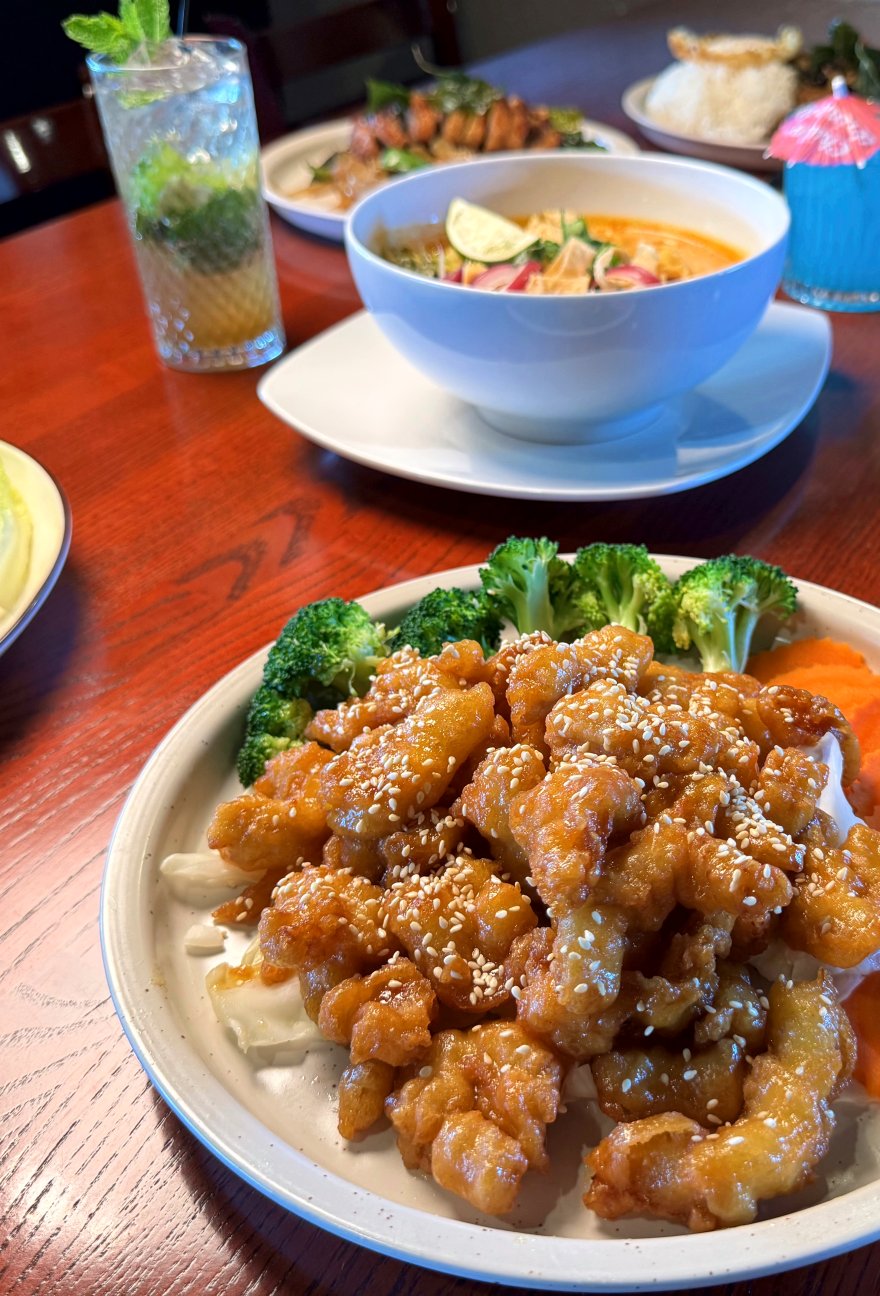

Few Thai takeout dishes are as satisfying, or as easy to get wrong, as Drunken Noodle. When it lands, it is smoky, savory, glossy with sauce, and balanced by fresh basil, heat, and chew from wide rice noodles. When it misses, it turns into a heavy box of broken noodles, overcooked vegetables, and sweetness that swallows everything else.
That gap is exactly why ordering well matters. If you have ever typed "Drunken Noodles Near Me" into your phone and stared at a dozen options with nearly identical menu photos, you already know that not every kitchen makes the same dish, and not every delivery order survives the ride home the same way. A great plate of Drunken Noodle depends on a handful of choices, some made by the restaurant and some made by you.
After years of ordering Thai food in dense city neighborhoods, suburban strip malls, and small towns where one restaurant has to cover half the cuisine, I have learned that the best results rarely come from random tapping. They come from reading the menu closely, knowing what this dish is supposed to taste like, and making a few smart requests without overengineering the order.
What Drunken Noodle should actually taste like
Before you can order the perfect version, it helps to know what you are chasing. Drunken Noodle, often associated with pad kee mao, is typically built around broad rice noodles stir-fried over high heat with soy-based seasoning, garlic, chilies, vegetables, and Thai basil. Depending on the kitchen, you may also find onion, bell pepper, baby corn, broccoli, green beans, or tomato. Protein is usually optional.
The ideal version leans savory first. You want char from the wok, not just salt. You want basil that still smells alive. Heat should be present, but it should not flatten the dish. The noodles should be tender with a little bounce, not mushy and not dry. Sauce should cling rather than pool at the bottom of the container.
This matters because many menus describe Drunken Noodle in broad, almost interchangeable language. One place might serve a dark, deeply caramelized stir-fry with real wok hei. Another might send out noodles in a sweet soy glaze that tastes closer to a softer, spicier pad see ew. Neither menu description will tell you that outright. Reviews, photos, and tiny clues on the menu usually will.
Start with the restaurant, not the craving
When people search for "Drunken Noodles Near Me," they often begin with distance and star rating. Both matter, but neither is enough on its own. Thai food in general travels reasonably well, yet Drunken Noodle is especially sensitive to timing. A four-mile delivery from a strong kitchen can arrive softer than a one-mile pickup from a decent one. If your priority is noodle texture, proximity matters more than people realize.
Look at the restaurant’s menu as a whole. A place with a focused Thai menu, several basil-based stir-fries, and a range of noodle dishes often handles Drunken Noodle better than a broad pan-Asian menu doing sushi, ramen, teriyaki, pho, and Thai curry under one roof. That does not mean a mixed menu is always weak. It does mean the odds improve when the kitchen cooks this dish often.
Photos help too, but you have to read them correctly. A good Drunken Noodle should look a little messy in the right way. Wide noodles should be visibly coated, not swimming. Basil leaves should be present in more than token quantity. If every image shows pale noodles with a pile of raw garnish on top, that is a sign the dish may be assembled rather than properly stir-fried.
Reviews are useful when they get specific. I pay attention when someone mentions char, basil flavor, spice level accuracy, or whether the noodles held up in delivery. Generic praise like "great food" says almost nothing. Complaints about excessive sweetness, clumped noodles, or limp vegetables are more useful because those flaws show up repeatedly in weaker versions of the dish.
The biggest choice is usually protein
Protein changes the whole order. Chicken is the safe middle ground and the most common option. It absorbs sauce well, reheats decently, and rarely overpowers the basil and chilies. Beef can be excellent, especially with broad noodles, but it depends on slicing and doneness. Thin slices stay tender. Thick strips often turn chewy by the time the box reaches your door.
Shrimp is trickier. In a restaurant, it can work beautifully. In delivery, it is often the first thing to tip from just-cooked into rubbery, especially if the food sits in a sealed container for twenty minutes. Tofu can be outstanding if the kitchen knows how to sear it, but many places simply drop in soft cubes that contribute little texture.
My most consistent delivery results tend to come from chicken or a well-reviewed crispy tofu option. If I am dining in or picking up and eating immediately, beef becomes more attractive. Seafood is the one I reserve for places I trust or for orders with very short travel time.
There is also a case for ordering Drunken Noodle without added protein. That sounds like a compromise, but sometimes it is the smartest move. The dish already has enough going on, and removing protein can improve noodle proportion, reduce cost by a few dollars, and keep the wok flavor cleaner. If you are adding another entrée or an appetizer with meat, a vegetable-forward Drunken Noodle often eats better.
Spice level is where many orders go off the rails
Spice settings on Thai takeout menus are notoriously inconsistent. A "medium" at one restaurant can feel mild and friendly. At another, it can leave you sweating through the first five bites. The problem is not only heat tolerance. It is that too much chile can drown the basil, garlic, and savory notes that make Drunken Noodle worth ordering in the first place.
If you are trying a place for the first time, choose one step below your usual confidence level. If you normally order very spicy food, go medium-hot rather than max. If you like some heat but not pain, ask for medium. This gives you a better read on the kitchen’s style. Once a restaurant proves it handles heat with balance, you can adjust upward on the next order.
There is also a practical reason to be conservative. Heat blooms as food sits in a sealed container. A noodle dish that tastes balanced straight from the wok can arrive feeling hotter after fifteen to thirty minutes in transit. That is especially true when chopped fresh chilies or chile paste continue infusing the sauce on the ride.
A short note can help if the ordering platform allows it. "Medium spice, balanced for flavor" is more useful than "extra spicy please!!!" Because it signals that you care about the dish, not just capsaicin. Not every kitchen will read it, but better ones often do.
Noodle texture depends on how you plan to eat it
The perfect order for immediate pickup is not always the perfect order for delivery. Rice noodles continue softening in steam, and broad noodles are particularly vulnerable. If you are picking up and eating within ten minutes, a standard preparation is usually fine. If the dish is traveling twenty or thirty minutes, you want to think ahead.
The easiest tactic is to order slightly earlier than peak rush if you can. Food cooked during a Saturday dinner crush often waits longer at every stage, from wok to packing to driver pickup. A Tuesday lunch order or an early dinner around 5:15 has a much better chance of arriving with the noodles still distinct.
Some restaurants also let you request sauce on the lighter side. This can be a smart move for delivery because excess sauce accelerates softening. I do not ask for "dry" noodles, which often backfires. I ask for "light sauce if possible" only when I know the restaurant tends to over-sauce. If it is a place with already restrained seasoning, I leave it alone.
When I know I will not eat immediately, I actually avoid ordering Drunken Noodle altogether and choose a curry or fried rice instead. That may sound like heresy in a piece devoted to ordering the perfect Drunken Noodle, but good ordering includes knowing when the dish is not the best traveler for your circumstances.
The vegetables tell you a lot about the kitchen
People focus on noodles and protein, but the vegetables reveal whether the stir-fry is being handled with care. Onions should soften without disappearing. Bell peppers should still have some bite. Broccoli, if used, should not taste boiled. Tomatoes, in versions that include them, should melt just enough to add acidity without watering down the sauce.
If menu photos or reviews consistently show giant chunks of undercooked vegetables, the kitchen may be prioritizing speed over balance. If vegetables look lifeless and gray, they were probably cooked too long or trapped too long in steam. A strong Drunken Noodle keeps the vegetables integrated, not piled on as an afterthought.
This is also why customization needs restraint. Adding extra vegetables sounds virtuous, but it can flood the pan, dilute the char, and throw off noodle ratio. The same goes for adding multiple proteins. A dish designed around noodles, basil, and heat can quickly become a crowded container of mixed parts.
Small customizations that genuinely help
Most people either never customize or they customize too much. The sweet spot sits in the middle. A few requests can improve the odds of getting a better dish, especially if you know the restaurant’s tendencies.
Here are the requests that have worked best for me over time:
- Medium spice on a first order, then adjust next time.
- Light sauce only if the restaurant tends to make soggy noodles.
- Extra basil if the option exists and the kitchen is generous with herbs.
- Chicken or tofu for longer delivery, beef for dine-in or quick pickup.
- No unnecessary add-ons that overload the pan.
What I avoid is a string of contradictory instructions. "Extra spicy, extra sauce, well-done noodles, extra vegetables, no onion, add shrimp and beef" almost guarantees imbalance. Good kitchens can adapt, but the more variables you add, the farther you move from the version they know how to execute well.
Pick up beats delivery more often than people admit
For this specific dish, pickup usually wins. Even a very good delivery order loses something in transit. Steam softens noodles, basil dulls, and char fades. If the restaurant is within a reasonable drive or walk, pickup can be the difference between good and excellent.
The gap gets even wider in bad weather. Rain, snow, and extreme heat all affect delivery timing. A noodle dish sitting in a car for ten extra minutes becomes a different dish. If you are serious about ordering the best Drunken Noodle near you, reserve delivery for convenience and pickup for quality.
I learned this the hard way from a restaurant that made one of the best Thai basil stir-fries in my old neighborhood. Delivery took around twenty-five minutes from kitchen to apartment, not terrible by app standards. Pickup took eight. The delivered Drunken Noodle was enjoyable but soft around the edges. The pickup version had visible sear marks on the noodles, fresh basil perfume, and the kind of balanced heat that made the whole dish feel more alive. Same restaurant, same order, completely different experience.
Price can be a clue, but not in the way people think
A cheap Drunken Noodle is not automatically bad, and an expensive one is not automatically better. Still, pricing can tell you a few things. If a full entrée is dramatically below the local average, portion size may be smaller, protein quality may be lower, or the dish may rely more heavily on sauce and filler vegetables.
At the other end, a high price can reflect neighborhood rents, delivery platform markups, or premium ingredients. It might also mean nothing. What I look for is alignment between price, portion, and review detail. If people mention a generous serving, good basil flavor, and strong wok char, a slightly higher price is often justified. If reviews say the portion is small and overly sweet, extra dollars will not save it.
A realistic expectation in many areas is that Drunken Noodle will cost more than it did a few years ago, especially once fees, tax, and tip enter the picture. That makes ordering carefully even more important. A dish that lands at twenty dollars or more after all-in costs should feel considered, not random.
How to spot the likely winner on an app
Ordering apps flatten restaurants into the same format, which makes everything look more similar than it is. You have to read between the lines. The strongest candidates usually share a few signs:
| Signal | Why it matters | |---|---| | Clear Thai naming and dish detail | Suggests the menu is written by someone familiar with the cuisine, not copied into generic platform language | | Photos with dark, glossy noodles and visible basil | Indicates actual stir-fry and seasoning, not plain noodles with sauce poured on later | | Reviews mentioning char, basil, and spice accuracy | These are signs people noticed the right things | | A menu with several noodle dishes and basil stir-fries | Suggests repetition and practice in the kitchen | | Shorter delivery distance or pickup option | Improves noodle texture and overall quality |
I also check whether the app shows "popular item" tags with any context from reviews. Sometimes the most-ordered dish is pad thai, which tells you little. If Drunken Noodle itself has many ratings and people keep reordering it, that is more persuasive.
Pairings that support the main dish instead of fighting it
If you are building a full meal, the rest of the order should support the noodles rather than crowd them. A rich peanut-heavy appetizer and a sugary iced drink can make Drunken Noodle feel flatter. On the other hand, something crisp, acidic, or clean can make the main dish taste sharper.
A fresh papaya salad, if the restaurant makes a good one, can be excellent. So can simple spring rolls with herbs. If you want a soup, choose one with brightness rather than sweetness. The idea is not to assemble the https://charliespdo658.zenbloomer.com/posts/how-to-compare-menus-when-looking-for-drunken-noodle-near-me biggest spread. It is to keep your palate awake so the basil, chile, and savory notes still register in the noodle dish.
The same logic applies to beverages. Water is underrated here. Unsweetened tea works. Very sweet drinks can amplify the dish’s sugar and make it seem less balanced than it really is.
When reviews disagree, trust the details over the average
One of the most confusing parts of searching "Drunken Noodles Near Me" is finding a place with a solid overall rating and wildly divided opinions on the dish. That does not always mean the restaurant is inconsistent. Sometimes it means people are ordering with different expectations.
Someone who wants a sweeter, gentler noodle stir-fry may dislike a version that is smoky, salty, and basil-forward. Another diner may complain about heat when the real issue is simply that the restaurant does not dilute spice for a general audience. You have to read what they disliked, not just that they disliked it.
I trust negative reviews more when they mention objective problems such as mushy noodles, missing basil, absent protein, or sauce pooling in the box. I discount them more when they boil down to "too spicy" or "not like the place I usually go," unless multiple people say the same thing with specifics.
Reordering is how you get to perfect
The first order is reconnaissance. The second is refinement. By the third, if the restaurant is worth keeping, you should know exactly how to ask for your best version.
Maybe that means chicken, medium spice, pickup only. Maybe it means tofu, extra basil, and lunch hour instead of dinner rush. Maybe it means accepting that one restaurant nearby does beautiful noodles but weak heat, while another does serious spice but too much sauce. Perfect is rarely universal. It is personal, and it depends on the habits of the kitchen closest to you.
That is the hidden advantage of ordering the same dish more than once. You begin to notice patterns. One place overcooks during peak hours. Another consistently nails weekday lunch. A third has great flavor but poor packaging. Once you know those tendencies, ordering stops being guesswork.
The difference between a good order and a smart order
A good order picks a restaurant with a decent rating and hopes for the best. A smart order takes the dish seriously. It considers travel time, spice calibration, protein choice, and whether the kitchen has a track record with basil stir-fries. It keeps customizations minimal and useful. It favors pickup when texture matters most.
That approach may sound fussy, but it is really just attention. Drunken Noodle is not difficult to love. It is difficult to love consistently unless you know how to order it. And once you do, the search for "Drunken Noodles Near Me" stops feeling like a lottery. It starts producing the kind of meal you meant to order in the first place, hot noodles with real chew, savory depth, a hit of basil, and enough heat to keep every bite interesting.
Nakhon Luang Thai Kitchen
Address: 805 Village Center Dr, Colorado Springs, CO 80919
Phone number: +17195315175
FAQ About Drunken Noodles Near Me
What makes it drunken noodles?
Drunken noodles, or Pad Kee Mao, get their name from the Thai word khi mao (meaning "drunkard"). They contain no alcohol. The name comes from the idea that the dish is a popular late-night meal to cure a hangover or a great food to eat with a cold beer.
What is the difference between pad see ew and drunken noodles?
While both Pad See Ew and Drunken Noodles use the same wide rice noodles, Pad See Ew is a mild, sweet-savory dish made with dark soy sauce and Chinese broccoli, whereas Drunken Noodles (Pad Kee Mao) are fiery, garlicky, and herbaceous with fresh chilies and Thai basil.
What are traditional drunken noodles?
Traditional drunken noodles, known as Pad Kee Mao in Thai, are a fiery, savory street food stir-fry made with wide flat rice noodles, fresh garlic, lots of hot chilies, meat or tofu, and fragrant holy basil. Despite the name, they contain no alcohol; the dish is traditionally eaten late at night or as a hangover cure because the intense spice helps clear the head.